
Enterprise Modernization
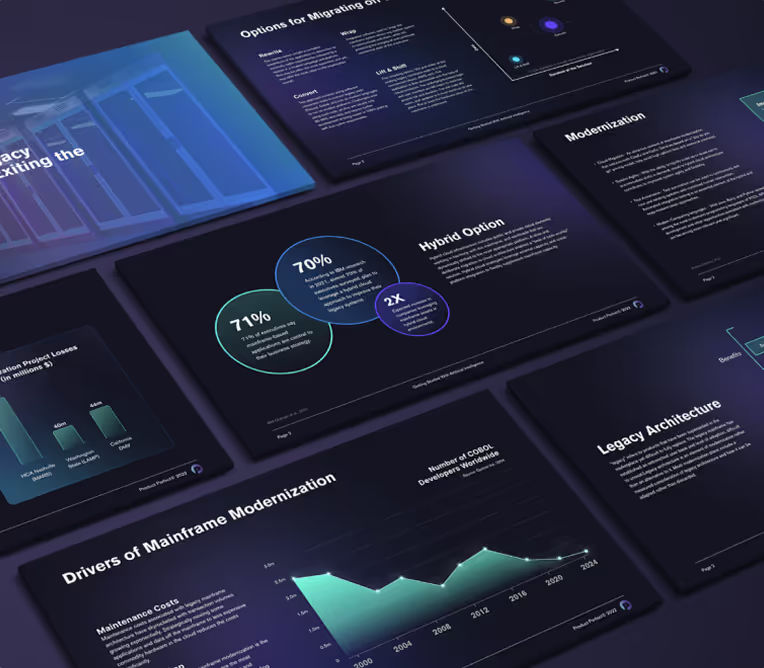
From exiting mainframes to redeveloping critical applications, I guide organizations through multi-year modernization strategies that reduce technical debt, improve agility, and align technology with business goals.

Deeply invested - striving to deliver quality and value for my clients

Application Redevelopment & Refactoring
Rewriting or re-architecting apps to modern, maintainable platforms.

Mainframe Exit Strategy
Phasing out mainframes, replacing with modern tech or cloud-native systems.

Application Facelifts
UI/UX and front-end modernization when full rewrites aren't feasible.

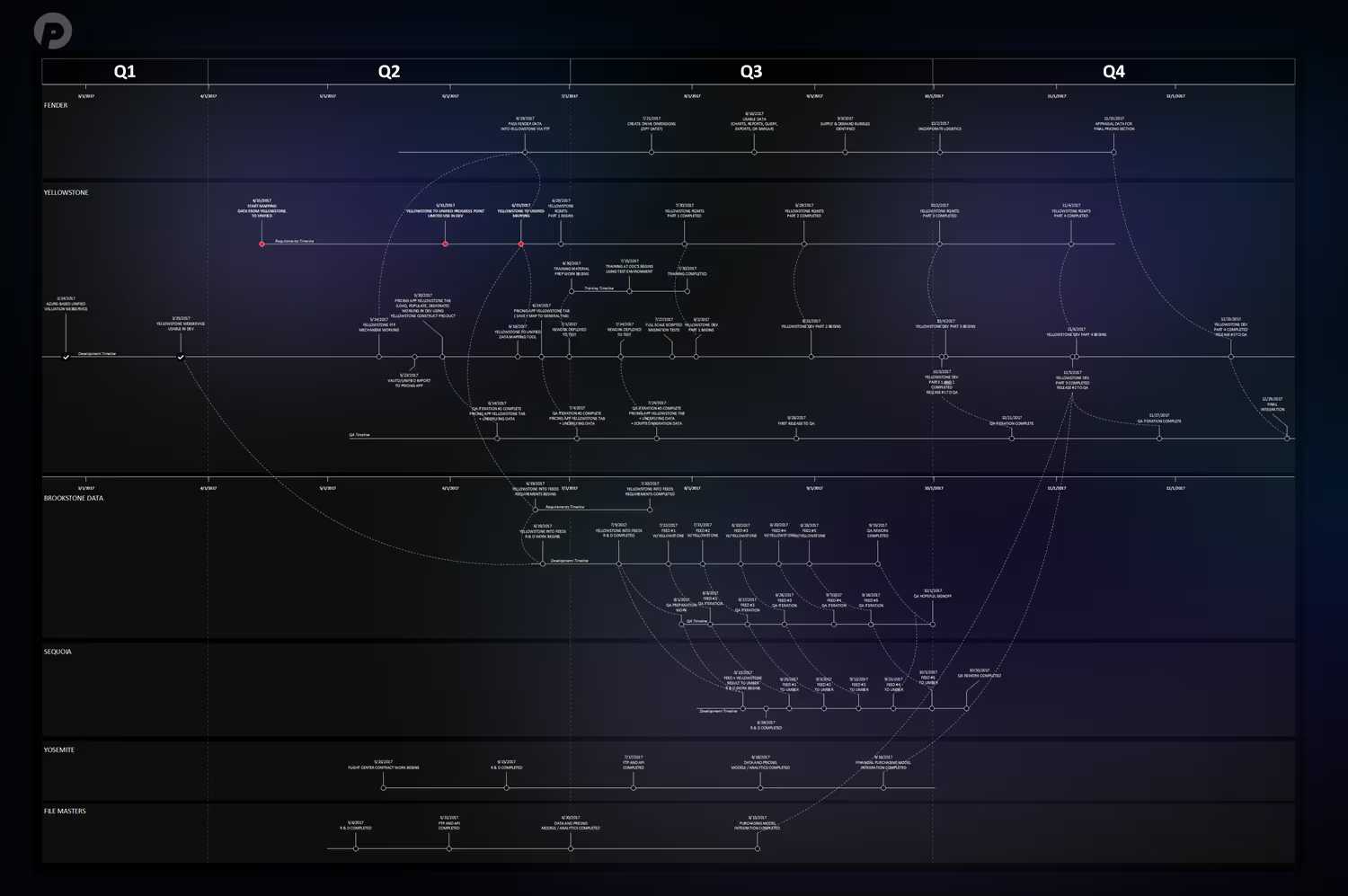
Application Topology & Dependency Diagrams
Wall-sized architectural views of your systems and data flows.

Cloud Migration & Hybrid Cloud Strategy
Planning and executing safe transitions to cloud environments.

Data & Database Integration
Consolidation, integration, and modernizing of your data store architecture.
Key Modernization challenges I address
- Outdated, brittle systems that slow down innovation
- Dependence on legacy languages and platforms that limit scalability
- Complexity in application topology, with unclear dependencies
- High operating costs and risk associated with mainframes or legacy stack
- Difficulty integrating new tech (cloud, microservices, APIs) into existing systems
"Shawn was exceptionally helpful to our business. He understood our industry well and delivered on the promise of transformational results."


"Shawn's work touched numerous areas of the company. His intellectual capacity and technical maturity exceeded expectations."


"Shawn analyzed our systems, then designed, built, and scaled our flagship application from the ground up."


"I have worked with Shawn and I know his talent and leadership can have an enormous impact in a consulting engagement. I have seen it first-hand."

"Shawn is razor sharp and expert-level. Can't say enough good things about his work."

"I've worked with Shawn in multiple engagements over the last fifteen years. Shawn has a trusted network of diverse talent and always operates with integrity - highly recommended."

Modernization process
A clear, structured approach to transforming complex systems with minimal disruption and measurable business outcomes.
01
Discovery & Assessment
Evaluate current systems, architecture, and dependencies to identify critical risks, bottlenecks, and modernization opportunities.
02
Roadmap & Strategy Design
Define a phased modernization plan with clear milestones, aligned budgets, and measurable business objectives.
03
Implementation & Execution
Lead modernization with iterative delivery—ensuring stability, compliance, and consistent value across all modernization efforts.
04
Iteration & Scaling
Continuously optimize, measure performance, and scale modernized systems to meet future enterprise demands.
Methodology, formulation & execution
One of the key deliverables in the discovery phase of the process is the AI opportunity matrix, which provides a detailed list of each key AI insertion opportunity that exists and its ultimate impact on the financial and operational bottom line.
Client success stories
Proven impact across enterprise modernization, M&A, and technology leadership. From $100M savings to $20M+ transformations—see the outcomes.
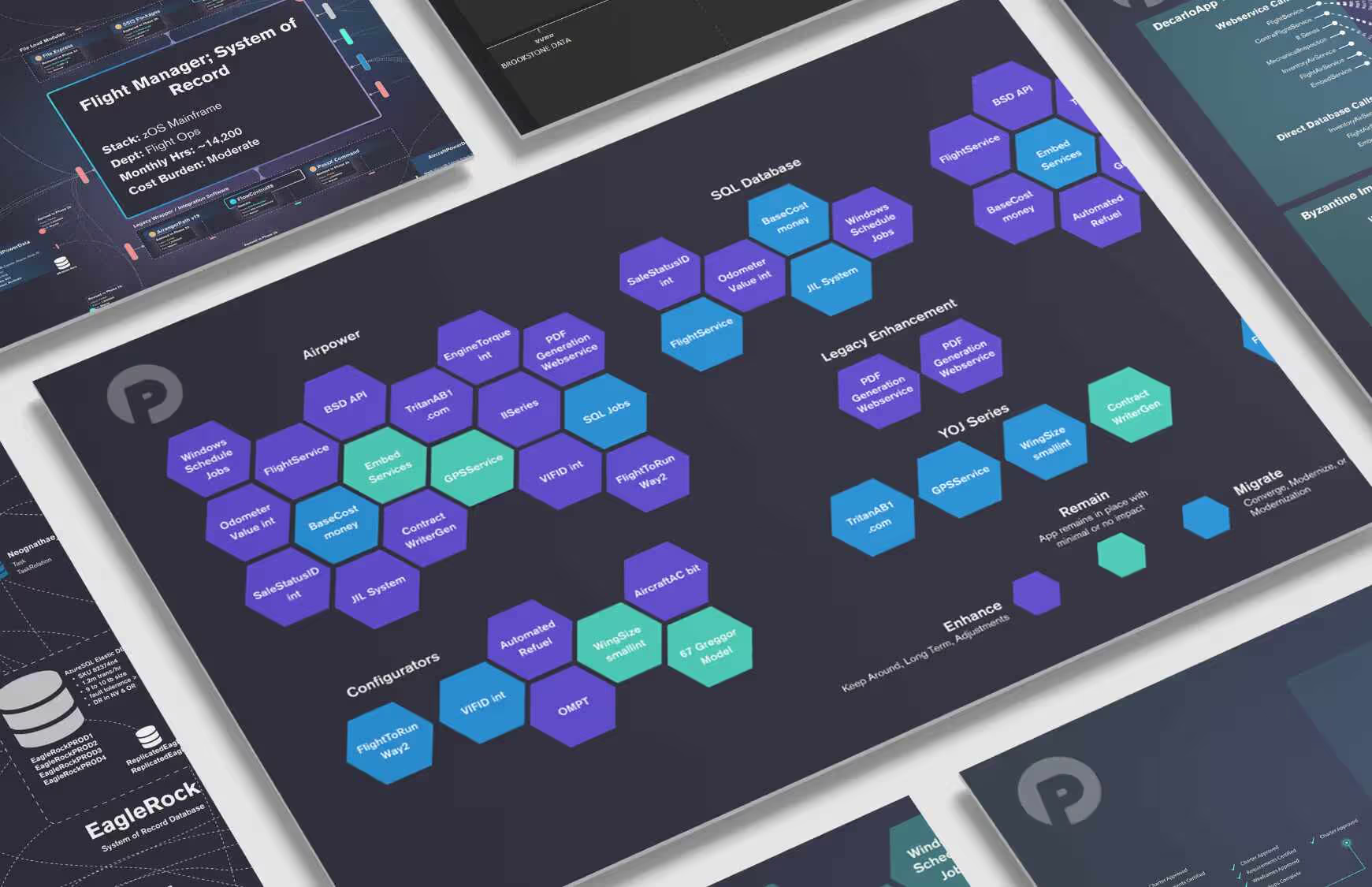
Enterprise modernization at scale
Led 30+ developers to rebuild flagship products for 2nd largest US property tax processor ($18B annually).
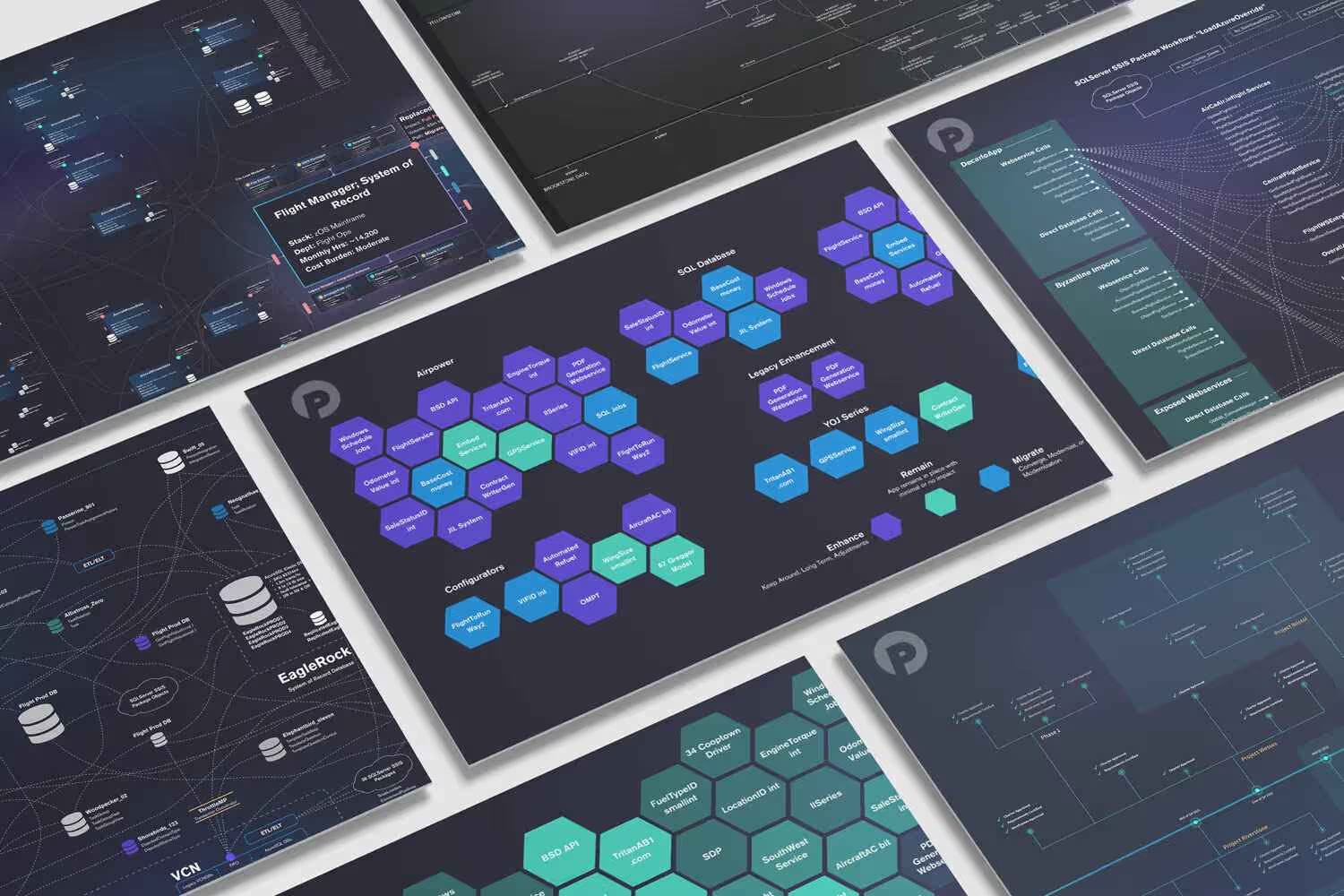
Holistic Software Architecture
Architected and led development teams for a legal automation software company, aquired for $50M.
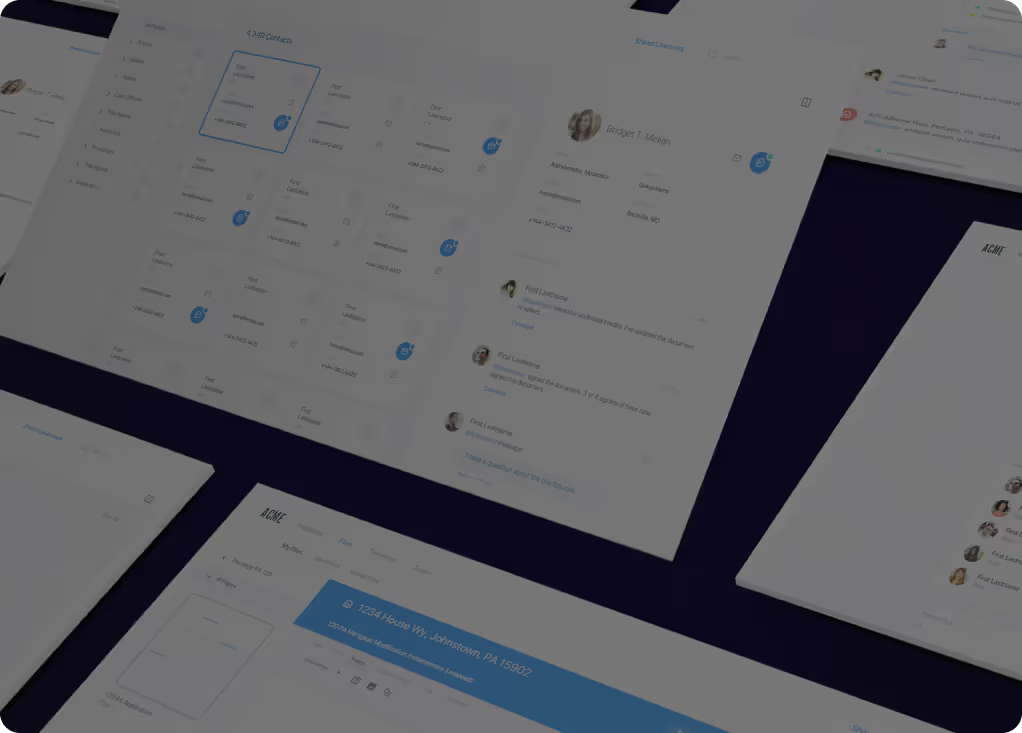
Software Product Design for Title Ins Web App
Reimagined and redesigned multiple windows desktop apps into a new design of a single, unified, modern web app.
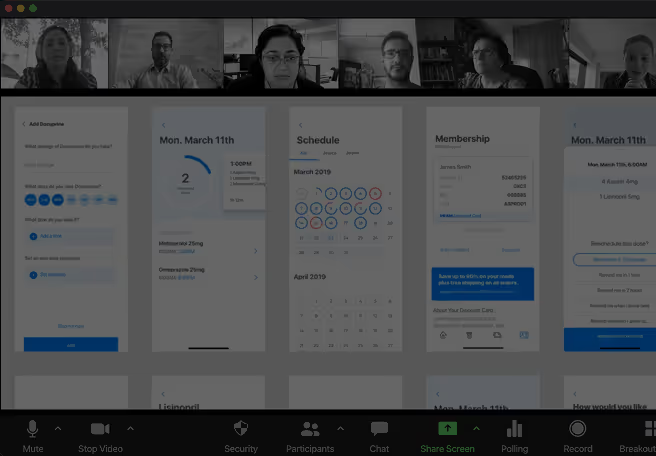
iOS Web App Design and Webservices
Front-end iOS design and back-end webservices architecture and development to support the new iOS app.
DevOps CI/CD Pipeline Implementation
Enterprise modernization moves faster with structure. CleenUI is a production-tested, full-stack foundation built for modern and redeveloped enterprise apps.
Industry expertise
Organizations in mortgage, real estate, financial services, healthcare, logistics, and government often face legacy overload and modernization opportunity. If your environment looks like one or more of these, modernization work becomes a multiplier for business value.

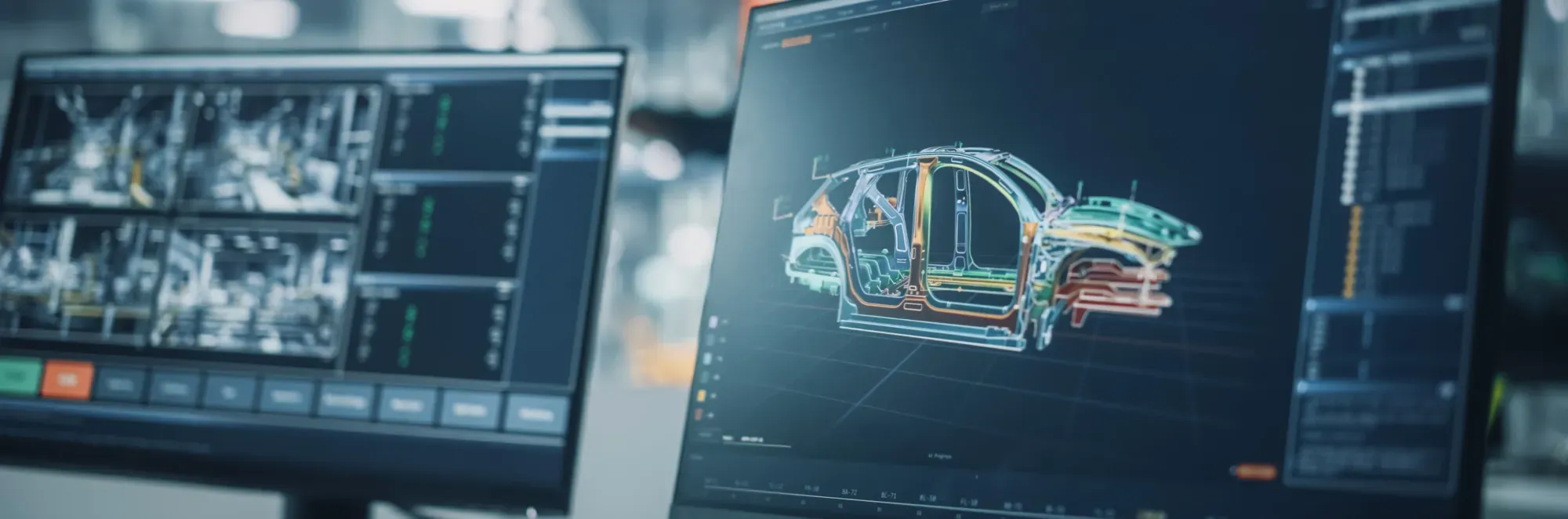






What modern enterprise software looks like
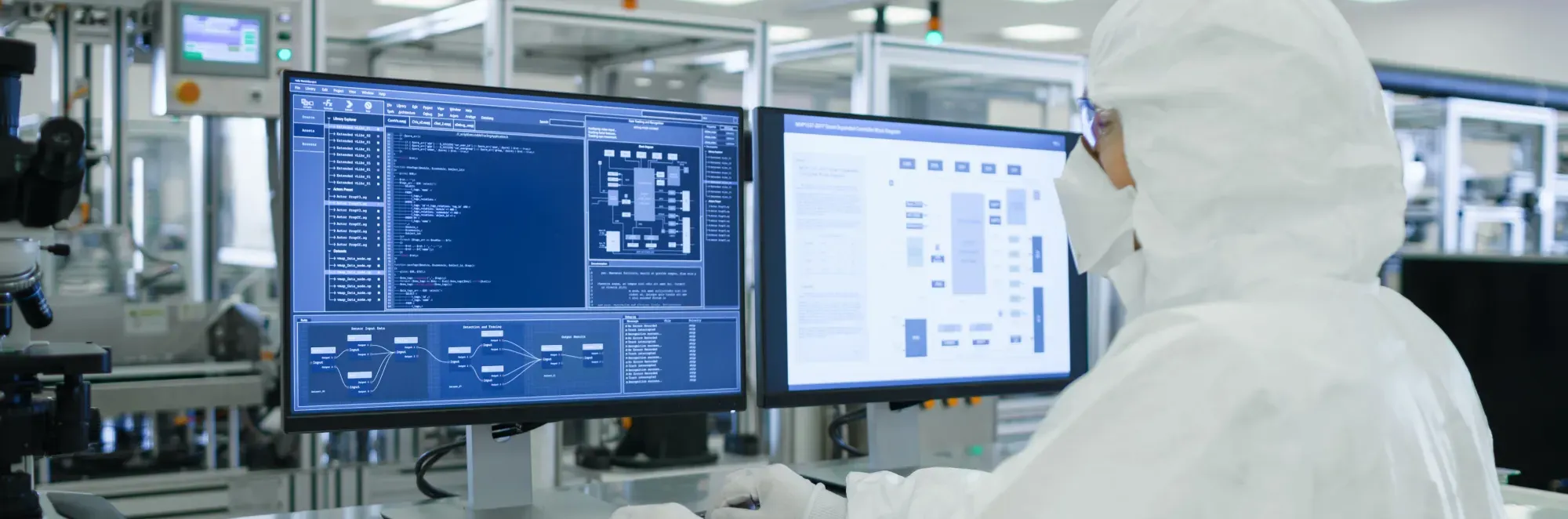
Across two decades of enterprise platform work, Product Perfect has redesigned legacy desktop systems into high-fidelity web applications — intuitive interfaces for complex, regulated workflows.
A production-proven code foundation for enterprise modernization programs
Modernization programs move faster and land better when redevelopment teams start from structure. CleenUI is a full-stack codebase footprint purpose-built for new and redeveloped enterprise applications — production-tested, enterprise-grade, and optimized for both human development teams and AI code agents to build on efficiently.
Frequently asked questions
What does enterprise modernization involve?
Enterprise modernization replaces or refactors legacy systems — mainframes, monolithic applications, outdated data architectures — into modern, cloud-native platforms. Scope varies: some engagements are full redevelopment, others are phased migrations that keep critical systems running while incrementally replacing components.
How do you modernize without disrupting active business operations?
The standard approach uses a strangler fig pattern: traffic is routed incrementally from the legacy system to the new platform while both run in parallel. This eliminates big-bang cutover risk. The right sequencing — which components to migrate first — is the most critical planning decision.
How long does a typical modernization project take?
A focused application redevelopment takes 6–12 months. A full enterprise platform modernization can span 2–4 years, structured as multiple phases with independent business value delivered at each stage. Attempting to compress a multi-year modernization into an unrealistic timeline is one of the most common failure modes.
What is the business case for modernization?
The case typically rests on three categories: cost reduction (lower maintenance, infrastructure, and support costs), velocity improvement (faster feature delivery on modern platforms), and risk reduction — eliminating single points of failure, compliance exposure, and key-person dependencies on legacy system knowledge.
Should You Rebuild, Wrap, or Replace?
Score business-logic value, stability, integration complexity, documentation, data quality, and urgency to find the right modernization approach.
Take the assessment →Related Reading
Legacy System Modernization: When to Rebuild vs. Refactor
The strategic framework for deciding when to rebuild, when to refactor, and how to sequence the work.
How to Build a Technology Roadmap
A practical guide for creating a roadmap that business leaders will fund and engineering teams will execute.
The Real Cost of Technical Debt
How to measure technical debt in business terms and build the case for paying it down systematically.