Mainframe Exit Strategy
Mainframe exits fail when they are treated as technical migrations. They succeed when they are treated as business continuity programs — with the operational dependencies, the data contracts, and the rollback options designed before the first workload moves.
The real risk in mainframe exit isn't the technology
Most mainframe exit programs stall at the same place: the inventory phase reveals that the mainframe is doing far more than the organization knew. Batch jobs that run at 2am. File interfaces that 14 downstream systems depend on. Business rules encoded in COBOL that exist nowhere in documentation. The technical migration was scoped against a system that turned out not to be the system that actually ran.
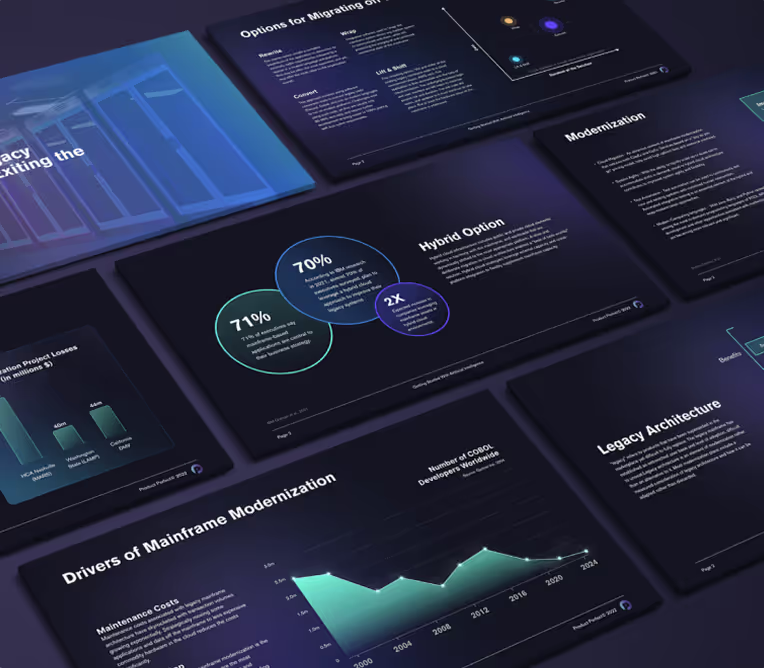
The answer is not to abandon the exit — mainframe operating costs, talent constraints, and the friction of building anything new on a mainframe platform make exit a strategic necessity for most organizations that have one. The answer is to sequence the work correctly: inventory first, dependency mapping second, migration roadmap third. Skipping the first two to get to the third is where programs fail.
Application consolidation at public-safety scale
The Los Angeles Fire Department engagement addresses a related problem at a different scale: consolidating 60+ legacy applications via BizTalk orchestration. Not mainframe in the technical sense, but equivalent in practice — fragmented, undocumented systems accumulated over decades, where every integration point is a potential failure mode in a public-safety environment.
The approach in that engagement — phased consolidation with BizTalk as the integration fabric, maintained operational continuity throughout — is the same approach that applies to mainframe exit programs: rationalize the integration layer first, then retire the underlying systems in the sequence the integration map makes safe. The constraint in both cases is that nothing affecting real operations can fail. The architecture has to be designed around that constraint.
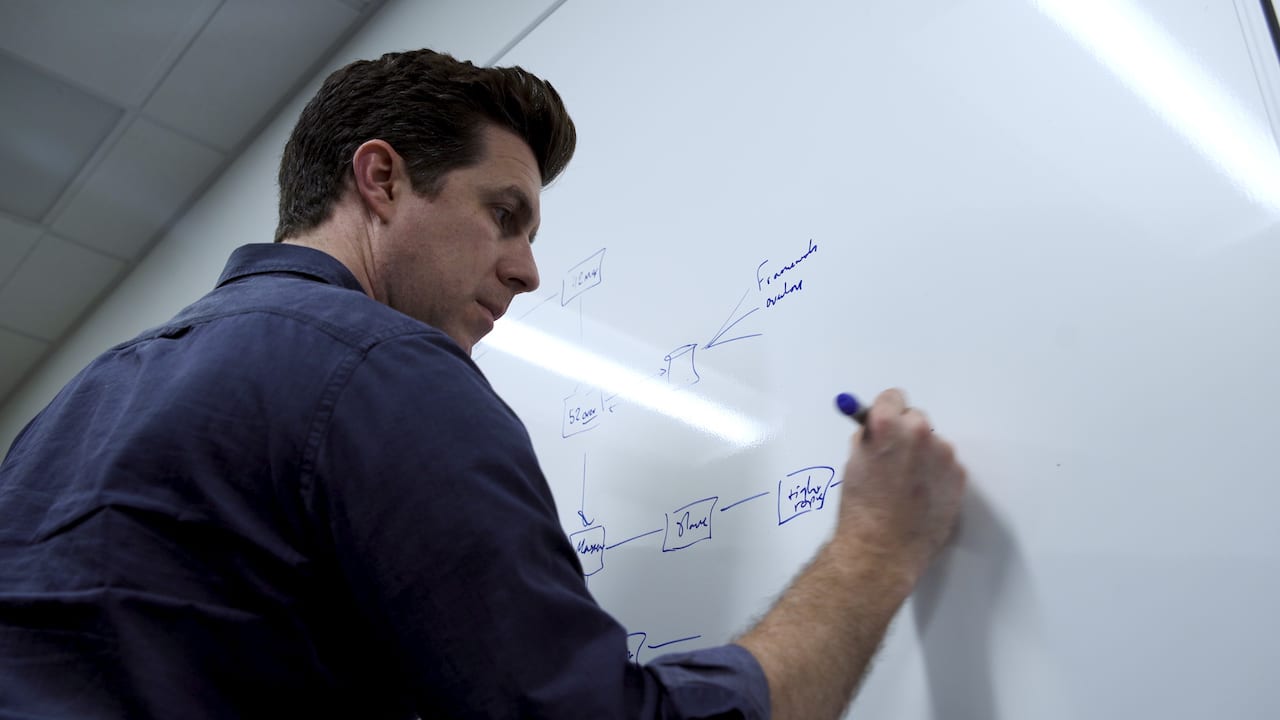
Mainframe exits are not primarily technology problems. They are change management and sequencing problems that happen to have a technology component. The organizations that get through them successfully are the ones that spend more time on the dependency map than on the replacement platform selection.
Six dimensions of a mainframe exit program

Mainframe Workload Inventory
A structured inventory of mainframe workloads — batch jobs, CICS transactions, datasets, and the business logic embedded in COBOL or PL/I — distinguishing what must migrate from what can be retired.

Dependency & Integration Mapping
Identifying every system that calls into or out of the mainframe — upstream feeders, downstream consumers, file transfer interfaces, and the third-party connections that were built around mainframe data formats.

Phased Exit Roadmap
A sequenced migration plan that moves workloads off the mainframe in the order that minimizes risk — not the order that is technically easiest. Accounting for the operational dependencies that determine what can actually move first.

Target Architecture Design
Designing the cloud-native or modern on-premises architecture the migrated workloads will land on — database choices, processing frameworks, batch execution platforms, and the integration layer that replaces mainframe-era file-based interfaces.

Data Migration & Transformation
Moving mainframe datasets — VSAM files, DB2 tables, flat file interfaces — to modern data stores with the transformation and validation work that ensures business logic dependent on the original data format continues to operate correctly.

Parallel Run & Cutover Planning
Running mainframe and replacement systems in parallel until the replacement is validated, with reconciliation processes that confirm output equivalence before the mainframe is taken offline.
"I've leveraged Shawn and his company in multiple engagements over the last ten years. They have a trusted network of diverse talent and operate with integrity -- highly recommended."


Mainframe exit programs that maintain operational continuity
Enterprise modernization leadership for organizations moving off legacy platforms — architecture judgment from 26+ years of regulated, high-volume system work.