A $20M modernization program that started with an assessment
At LERETA — the second-largest property tax processor in the United States, handling $18 billion in annual tax disbursements — a five-year engagement set the architectural foundation for a program that could not have been sequenced without knowing what actually existed.
The second-largest property tax processor in the United States
LERETA processes property taxes on behalf of major US mortgage servicers, handling roughly $18 billion in annual disbursement volume. The stakes of the technology platform were not abstract: tax payments that arrive late or to the wrong jurisdiction carry direct financial consequences for mortgage servicers and their borrowers. When the company's leadership engaged Shawn Livermore, the objective was clear — understand what actually existed before committing to a modernization program of any scale.
The engagement was initiated by the Chief Technology Officer at the oversight and endorsement of the Chairman of the Board — a signal of the program's strategic weight and the level of executive access the assessment team would need to work effectively.
40+ stakeholder interviews and wall-sized topology diagrams
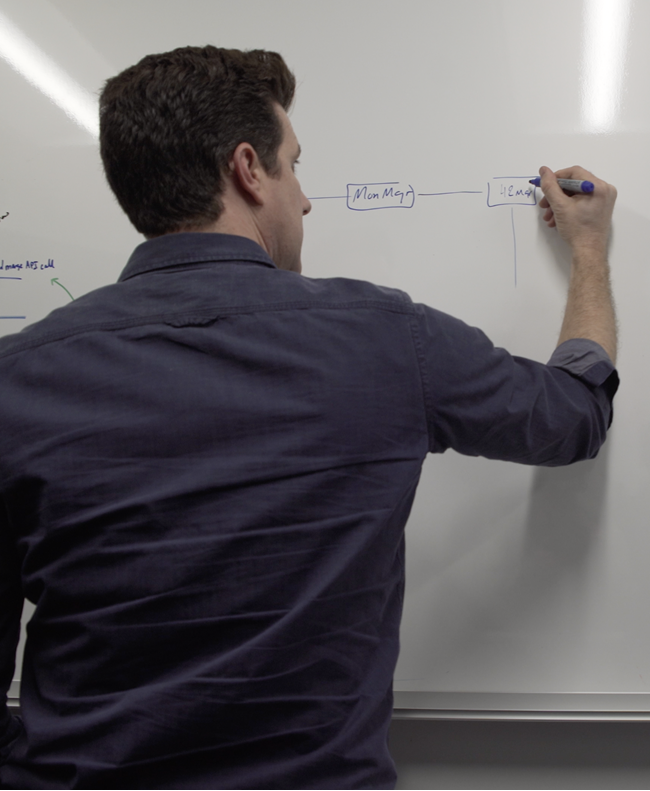
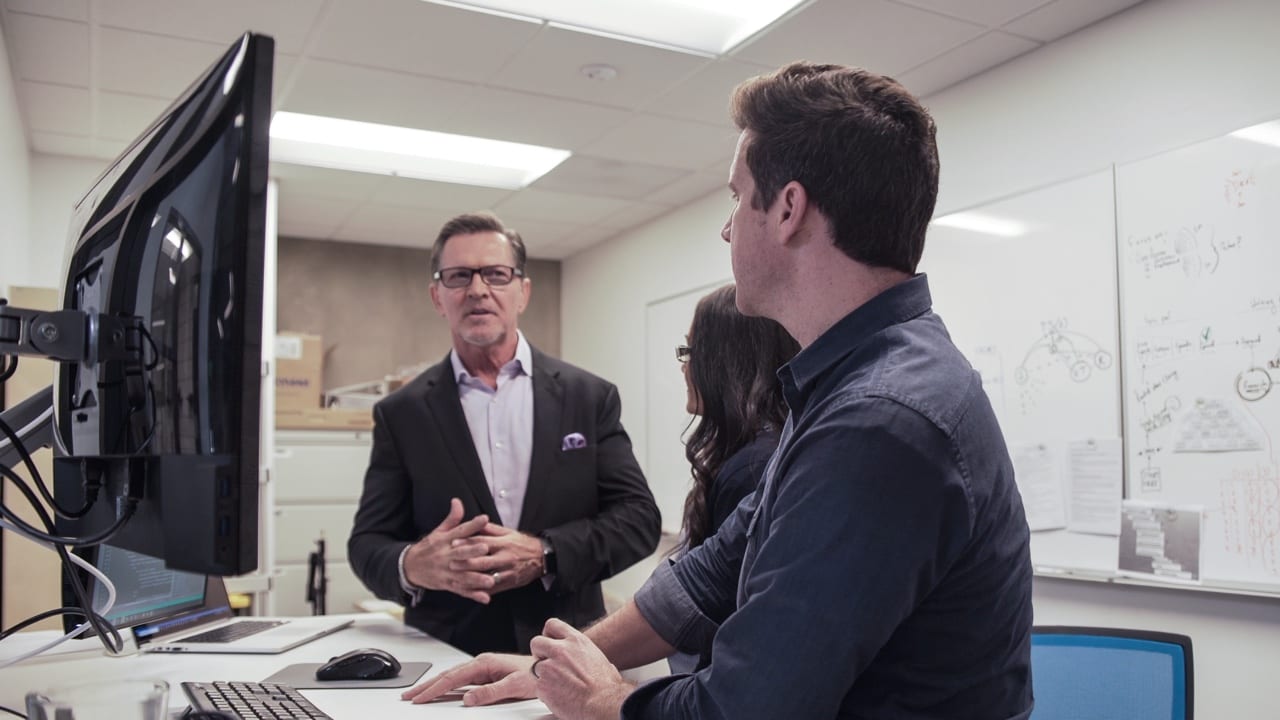
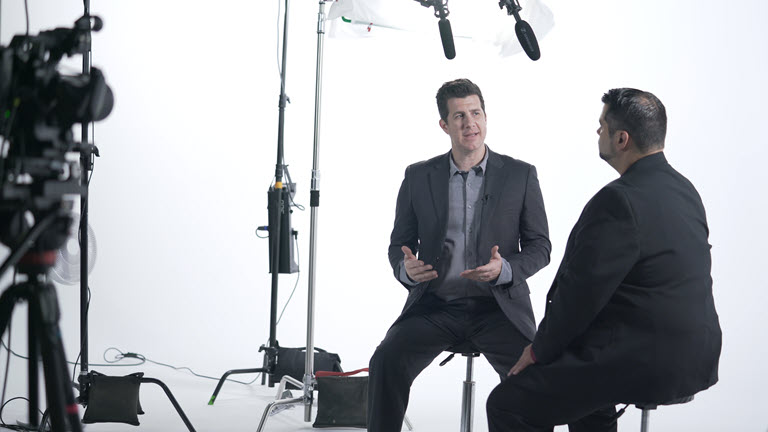
The engagement began with a complete enterprise architecture assessment. Over four to five months, the team conducted more than forty structured interviews with technology architects, software developers, business analysts, database engineers, and executive stakeholders. Applications, servers, databases, and code were analyzed directly.
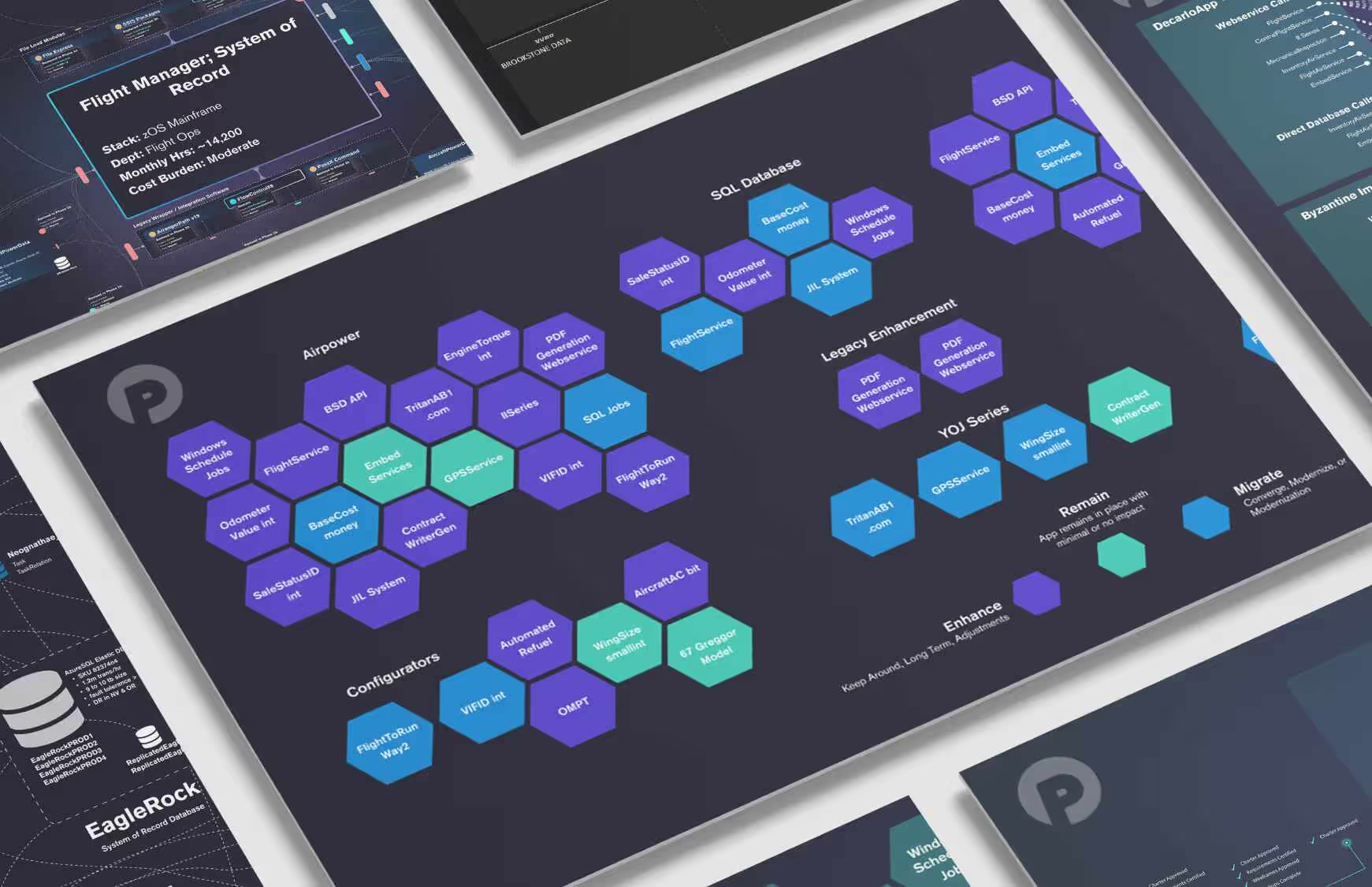
The output was a set of architectural deliverables — many printed on industrial plotters at wall size — that translated a sprawling, interconnected technology estate into clear visuals executive leadership could use to plan, budget, and sequence decisions. The mainframe-based systems were documented against the modern web applications running alongside them. Integration points were mapped. Technical debt was quantified. Dependencies were traced.
What the documentation said existed and what actually ran in production were not always the same. Finding the difference before a major investment was the entire point of the assessment phase.
The most important thing an assessment surfaces is not what teams know is broken — it is what they have stopped seeing because they have worked around it so long. Every platform has assumptions baked into it that no longer hold. Finding those assumptions before a major investment is the whole point.
A five-year engagement that shaped a $20M investment
Once the initial assessment was complete, LERETA engaged Shawn Livermore on the program that followed. Over five consecutive years, a team of more than 25 professionals delivered a sequenced modernization program across six project areas: enterprise architecture assessment, process automation via RPA, UI modernization of the flagship web application, redevelopment of two legacy desktop applications into a single modern web platform, and ongoing development leadership.
Sequencing decisions that appeared arbitrary from the outside were driven by technical dependencies surfaced during the assessment. Systems that the business wanted to migrate in a particular order could not be moved that way — because the sequence the business preferred would have disrupted $18 billion in property tax processing for major US mortgage servicers. The assessment made that visible before any commitments were made. That visibility was worth the cost of the assessment many times over.
What the engagement delivered
A complete, executive-ready picture of the technology footprint — applications, servers, databases, integrations, and the gaps between documentation and production reality — before a dollar of modernization was committed.
The assessment deliverables gave board representatives and executive stakeholders the specific technical grounding to authorize and oversee a multi-year, multi-million-dollar modernization program with confidence.
Technical dependencies identified during the assessment determined the migration sequence — preventing a reordering that would have disrupted tax processing for major US mortgage servicers during the program.
EA assessment, RPA automation, UI modernization of the flagship application, full redevelopment of two desktop systems into a single web platform, and ongoing development leadership — delivered by a team of 25+ professionals.
The intellectual capacity and technical maturity of Shawn Livermore exceeded expectations.


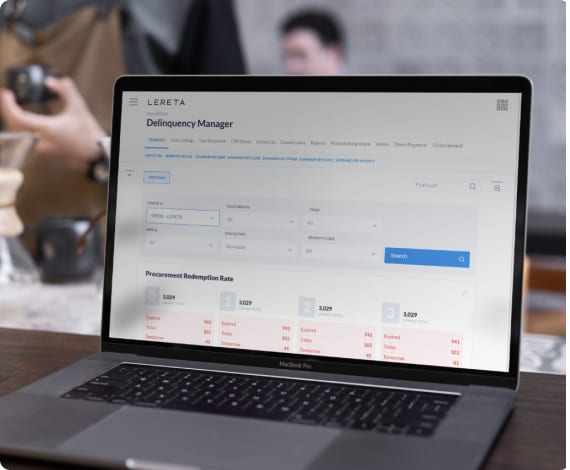
Application screenshots
I personally designed and polished each user experience and helped the customer enact their desired business processes into their software.
Get the full case study
The complete case study documents the enterprise architecture assessment engagement — the stakeholder session structure, the diagram deliverables produced, and the specific technical dependencies that shaped the $20M program.