Fractional CTO for Logistics & Supply Chain Companies
Global freight forwarding, warehouse management, and distribution technology is architecturally unlike consumer SaaS. It runs on legacy protocols, spans hundreds of countries, and tolerates almost zero downtime. This is a domain that rewards experience over theory.
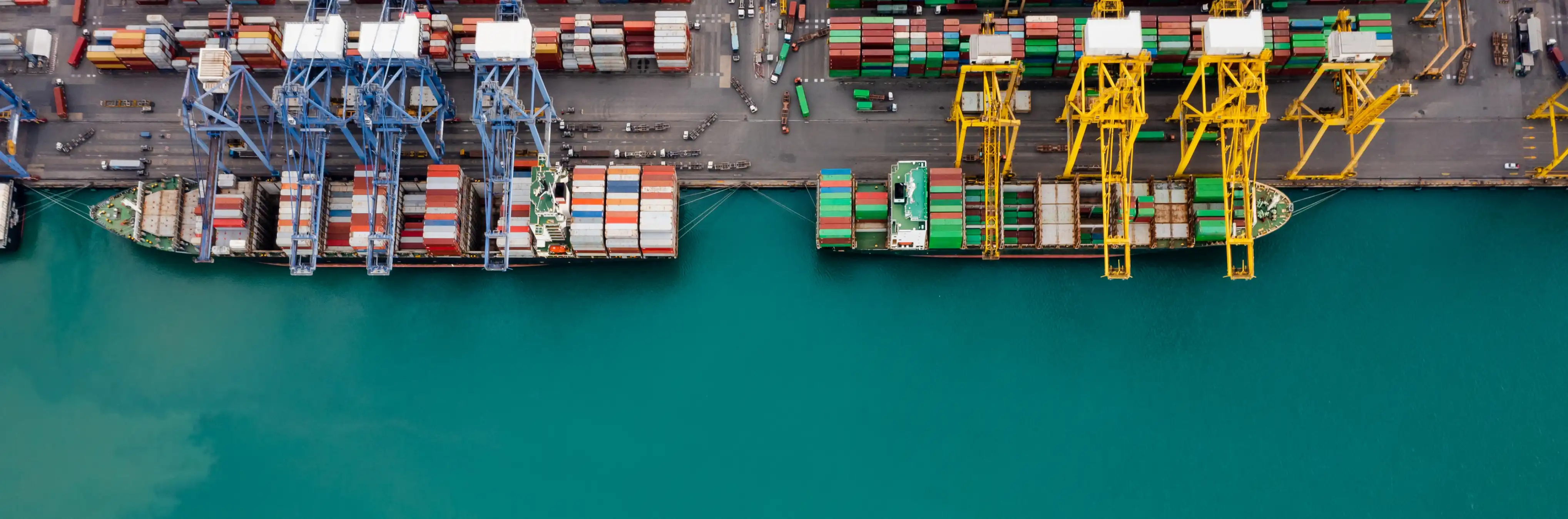
Inside a $1.5B global freight operation spanning 140 countries
Geologistics was, at the time of the engagement, the world's largest independent freight forwarder — $1.5 billion in revenue, 1,000 locations, operating across 140 countries. The technology infrastructure to match: AS/400 systems, mainframe platforms, BizTalk-based integration middleware, and a patchwork of country-specific customs and regulatory integrations built over decades.
Working in a CIO-reporting role at the Aliso Viejo, California headquarters, I identified and delivered a $500,000 reduction in DNS infrastructure costs — a single line item in a far broader engagement that covered system architecture assessment, integration strategy, and technology roadmap development across the global platform.
Logistics technology at this scale is not a software problem. It is an organizational and systems integration problem that happens to require software. The distinction matters enormously when setting technology strategy.
Six dimensions of logistics & supply chain technology

Global Logistics Architecture
Designing the technology infrastructure that supports multi-continent freight operations — from hub-and-spoke routing logic to country-specific customs API integrations across 100+ nations.

Legacy System Modernization
AS/400, mainframe, and BizTalk modernization for logistics companies where reliability is non-negotiable. Incremental migration strategies that keep freight moving while the underlying platform evolves.

Supply Chain Data Integration
Connecting disparate systems — WMS, TMS, ERP, customs portals, carrier APIs — into a coherent data architecture that provides real visibility across the supply chain.

Port & Freight Technology
Technology strategy for container tracking, port operations, and trade logistics. Experience adjacent to the Port of Long Beach ecosystem and the IT infrastructure that underpins global cargo movement.

AI & Forecasting
Freight demand forecasting with ML, customs document automation, cargo predictive analytics, and route optimization AI — building the models that reduce dwell time and improve on-time performance.

Vendor & Platform Evaluation
Independent evaluation of TMS, WMS, visibility platforms, and customs automation vendors. Identifying the right platforms without vendor bias — and the integration complexity that comes with each.
The intellectual capacity and technical maturity of Shawn Livermore exceeded expectations.


The architectural complexity that makes logistics technology a specialty
Consumer SaaS can usually afford downtime. A global freight operation cannot. That constraint shapes every architectural decision — from database design to integration middleware to deployment strategy. Systems that manage $1.5 billion in freight cannot be taken offline for a schema migration.
The F500 logistics and distribution clients I have served through consulting engagements operate in this same environment: tight operational constraints, legacy systems with decades of institutional knowledge embedded in them, and a growing pressure to layer AI and modern data infrastructure on top of platforms that were never designed for it.
The AI opportunity in supply chain is real and significant: freight demand forecasting models that reduce empty-leg costs, customs document automation that cuts clearance time, cargo anomaly detection that surfaces problems before they become delays. The challenge is applying these capabilities to production environments where the underlying data architecture was designed for transactions, not analytics.
A fractional CTO engagement in logistics means understanding the legacy platform well enough to build toward the future without breaking the present. Reach out to discuss your technology situation.
Before the conversation — score your supply-chain ops for AI.
A 7-minute, 6-dimension AI readiness assessment built for freight, 3PL, and distribution — forecasting, routing, warehouse, EDI, and visibility. Free, instant results.
Take the assessment →Fractional CTO for logistics and supply chain operations
Direct experience at the world's largest freight forwarder, F500 distribution clients, and supply chain AI implementations — available as a fractional engagement.