Data & Database Integration
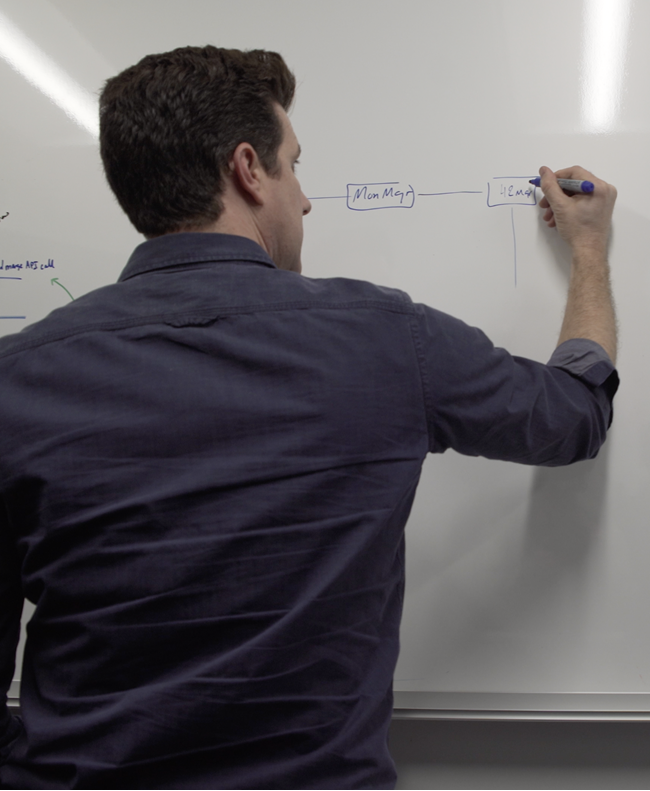
Enterprise data problems look different from the outside than they are on the inside. What looks like a reporting problem is usually a data model problem. What looks like a data quality problem is usually a governance problem. What looks like an integration problem is usually an architecture problem. The work is figuring out which one you actually have.

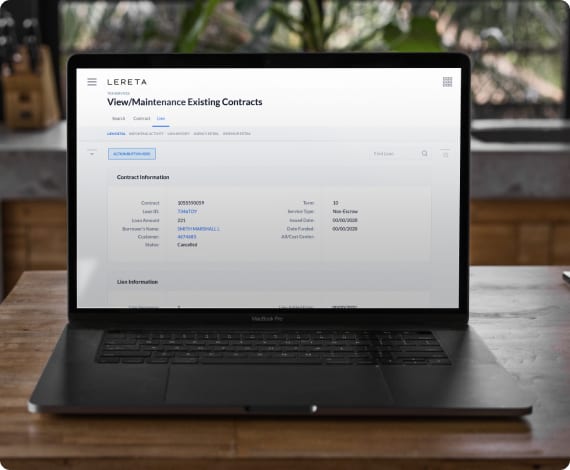
Data architecture for $18 billion in annual property tax disbursements
At LERETA — the second-largest US property tax processor — the data integration work was the foundation of the entire modernization program. Property tax data at this scale involves millions of parcels, thousands of taxing authorities, multiple servicer clients with different data formats, and the legal obligation to disburse the correct amount to the correct taxing authority on the correct date.
The data model that underpinned the rebuilt platform had to support all of it: parcel tracking, servicer escrow data, taxing authority payment schedules, delinquency management, and the audit trail that demonstrates compliance. Getting the data architecture right at the start of the modernization program determined what the platform could support at scale — and what would require expensive retrofit if it was wrong.
SOA, messaging, and the integration patterns that hold at production scale
At G4S Justice Services, the integration architecture work involved MSMQ messaging and SOA patterns for real-time GPS parole monitoring — a system where integration failures have direct public safety consequences. At the LAFD engagement, BizTalk orchestration provided the integration fabric for consolidating 60+ applications. At First American Financial, the title insurance platform required data integration across property records, lien databases, county recorder systems, and the settlement workflows that close real estate transactions.
Across those engagements, the pattern is consistent: data integration at enterprise scale is not a problem that can be solved with point-to-point connections. It requires an integration architecture — a governing pattern for how systems communicate, exchange data, and handle failures — that can be maintained and extended as the environment evolves.
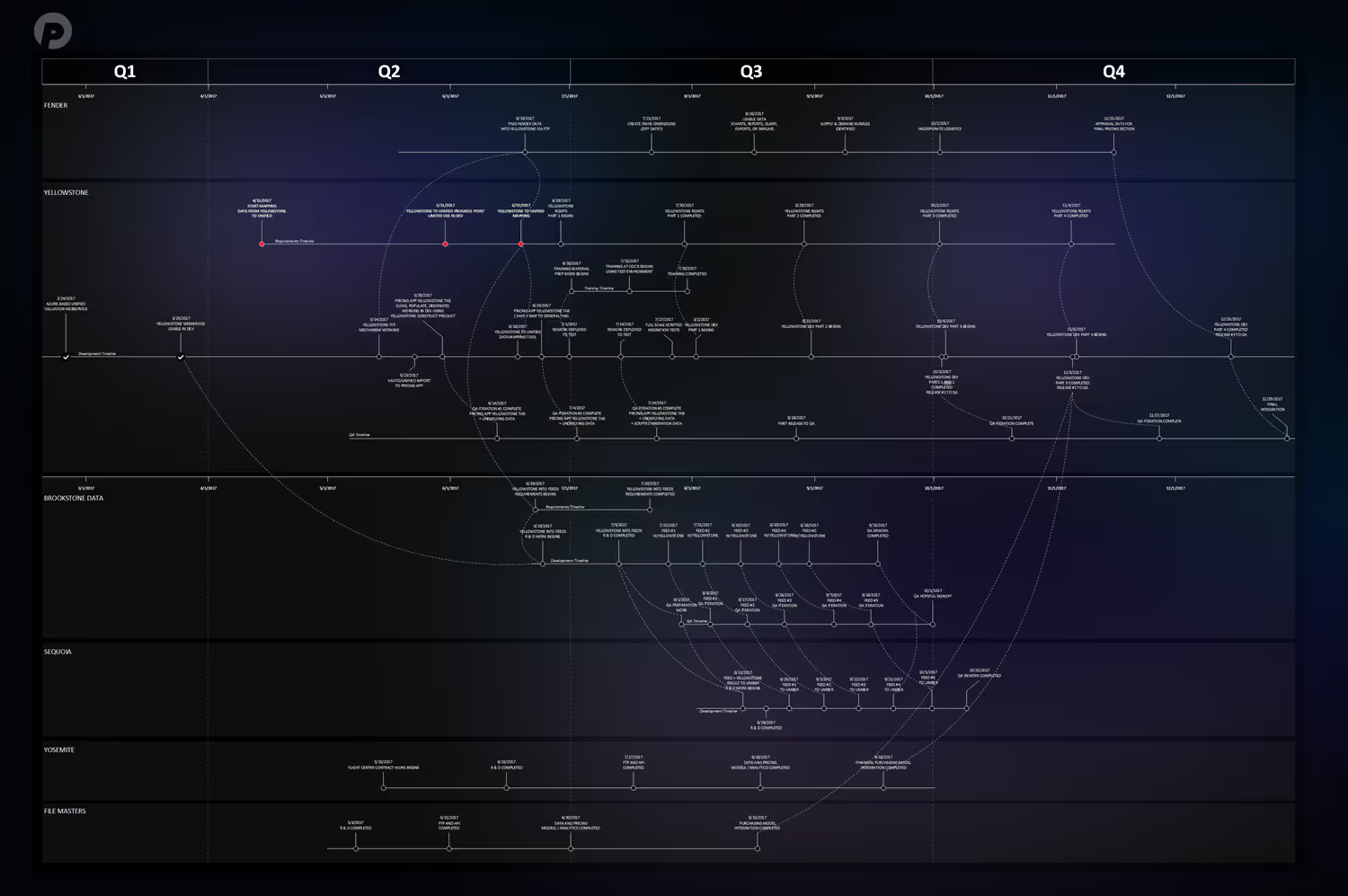

Data integration is where enterprise modernization programs encounter their hardest problems. You can build beautiful new application architecture and still have a disaster at the data layer. The data model is the contract between systems, between teams, and between the current platform and its future — it deserves the same architectural rigor as any other layer.
Six dimensions of data & database integration

Data Model Assessment
A structured review of current data models — schema design, normalization, referential integrity, naming conventions, and the data quality issues that accumulate in systems that evolved without a governing data architecture.

Integration Architecture Design
Designing the integration layer that connects disparate systems — API gateway architecture, event-driven patterns, ETL/ELT pipeline design, and the message contract standards that allow systems to exchange data reliably without tight coupling.

ETL/ELT Pipeline Development
Building the data pipelines that move, transform, and load data between systems — extraction from source systems, transformation to target schemas, load validation, and the error handling that makes pipelines reliable in production.

Data Quality & Governance
Data quality validation, cleansing, and the governance framework that prevents new data quality debt from accumulating — data dictionaries, ownership assignment, quality metrics, and the remediation processes for violations.

Master Data Management
Designing the master data architecture that resolves entity duplication across systems — customer records, property records, product catalogs — with the matching, merging, and golden-record logic that produces a single authoritative source.

Analytics & Reporting Architecture
Designing the data warehouse or data lakehouse architecture that turns operational data into analytical capability — storage layer design, semantic layer, and the data modeling patterns that make reporting fast and trustworthy.
The intellectual capacity and technical maturity of Shawn Livermore exceeded expectations.


Data architecture that holds at production scale
Data and database integration leadership for regulated, data-intensive platforms — architecture judgment from direct experience at LERETA, First American, G4S, and enterprise systems processing at financial scale.