Fractional CTO in Pomona, CA
Senior-level technology leadership for Pomona and Inland Empire businesses — backed by a multi-year engagement with LERETA, the 2nd-largest US property tax processor, headquartered right here in Pomona.
$20M
Modernization program led at LERETA (Pomona)
$18B
Annual property-tax volume processed by LERETA
30+
Developers coordinated across two flagship product rebuilds
The Pomona engagement — why this page exists
The reason this page exists — and the reason it isn’t generic — is a four-year engagement with LERETA, headquartered right here in Pomona. LERETA is the second-largest US property tax processor, handling roughly $18 billion in annual property tax volume on behalf of mortgage servicers, banks, and credit unions.
Between 2020 and 2024 I served as Senior Enterprise Architect, leading the $20M modernization of two flagship products. The work spanned 30+ developers across multiple delivery teams, two complete product rebuilds, and ongoing architectural responsibility for the enterprise application footprint. The engagement is documented in the case study linked below and validated by a testimonial from the LERETA CTO further down this page.
That history matters. Most “fractional CTO in [city]” pages are mostly made up — written from a city Wikipedia article and a list of local industries. Mine isn’t. The Pomona connection is real, the dollar figures are real, and the named client has gone on record. If you’re a Pomona or Inland Empire company evaluating fractional technology leadership, you can verify everything on this page.
The Inland Empire technology landscape
Pomona sits at the eastern edge of Los Angeles County, anchoring the western corridor of the Inland Empire — the broader Riverside / San Bernardino / eastern LA County economy that has quietly become one of the most underrated mid-market technology corridors in California.
The local industry mix favors:
- Real estate, mortgage tech, and property data services — LERETA is the flagship example, but the broader Inland Empire is home to a dense cluster of mortgage servicers, escrow firms, title insurance back-offices, and property-data providers.
- Logistics and supply-chain technology — the Ontario / Mira Loma / Riverside cluster handles a meaningful share of Pacific port distribution, and most of those operations run on aging custom systems that periodically need senior architectural leadership.
- Healthcare and benefits administration — the eastern LA County / San Bernardino corridor has a long history of regulated benefits and healthcare-adjacent technology firms.
- Education and public sector — Cal Poly Pomona alone produces a steady stream of engineering talent, and the surrounding municipal and county technology functions periodically need experienced modernization leadership.
The common thread across these sectors is regulated, data-heavy, integration-dense workloads. They aren’t greenfield SaaS startups. They’re businesses where a wrong architectural decision is expensive to unwind, where the existing codebase is decades old in places, and where the technology leader needs to be as comfortable with mainframe-era data flows as with modern cloud-native patterns. That’s the lane this engagement model lives in.
What a fractional CTO actually delivers for an Inland Empire mid-market firm
The deliverables don’t change much between cities — what changes is the fit between the engagement model and the local company size. For most Pomona / Inland Empire companies, the highest-value deliverables of a fractional CTO are:
- Architectural strategy and a written roadmap. A clear, sequenced plan for the next 12 to 24 months, with risk callouts and dependencies. Companies of this size almost universally have opinions about technology direction but rarely have a written, agreed, board-ready plan.
- Engineering leadership coverage. Sitting in on hiring, performance, and team structure decisions as the senior technical voice — especially valuable when the company is between CTOs or has promoted from within without an experienced backstop.
- Modernization sequencing. Most Inland Empire mid-market firms have at least one legacy system that everyone knows needs to be replaced and that nobody wants to own. The fractional engagement provides a senior owner for the modernization initiative, with experience from prior engagements (like the LERETA $20M program) to ground the sequencing decisions.
- Vendor and partner evaluation. Outside perspective on the major vendor decisions — the ERP, the cloud provider, the data platform, the security toolchain. Companies of this size pay a meaningful premium when they buy without a senior technologist in the room.
- Board and executive communication. Translating technology progress, risk, and investment requirements into language the board and the rest of the executive team can act on. This is often the gap that an internal VP of Engineering can’t fully close.
- M&A technical due diligence. When the company is being acquired, acquiring others, or raising — having an experienced fractional CTO in the room during diligence is often the single highest-ROI use of the engagement.
These are the same six bullets that appear on the main Fractional CTO services page. What’s different here is the substantiation: every one of those six was demonstrated in the LERETA engagement, plus prior engagements at First American Title (Santa Ana), a confidential class-action settlement administration client (Costa Mesa), and a 15-year track record going back to Oakwood Worldwide (Santa Monica) and First American (Santa Ana).
How the engagement model works
For a Pomona / Inland Empire engagement, the typical structure is:
- Discovery phase (2–4 weeks). On-site assessment of current systems, team structure, delivery pipeline, vendor footprint, and strategic gaps. Output: a written roadmap with prioritized initiatives, risk callouts, and recommended sequencing.
- Ongoing engagement (6–18 months typical). Embedded in the executive team. Weekly exec sync. Monthly board input. Ongoing architectural and engineering leadership coverage. Two on-site days per month at the Pomona / Inland Empire location, with the rest of the cadence run remote.
- Hand-off. Most engagements either renew, hand off to a full-time CTO that the engagement helped recruit, or wind down once the modernization initiative is delivered. The engagement isn’t open-ended; the goal is to be measurably useful, not to install a permanent dependency.
The pricing is structured against the engagement intensity, not by the hour. The bulk of the value is judgment and senior coverage, both of which are more about availability than billed hours.
A note on what this page is not
This is a real services page tied to a real local engagement. It isn’t a directory listing, it isn’t an SEO landing page, and it isn’t a thin programmatically-generated stub. If you’re evaluating fractional technology leadership for a Pomona or Inland Empire business, the right next step is the discovery call — and the case study and testimonial below are there as proof, not as filler.
Real work with LERETA, Real estate & mortgage technology leader in Pomona
Every claim on this page comes from a real engagement, not a market summary.
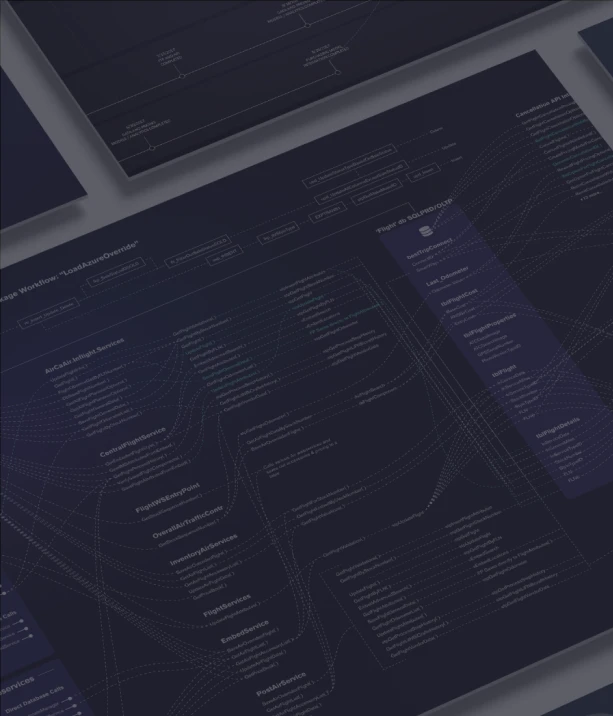
Enterprise Modernization at Scale
Led 30+ developers to rebuild flagship products for 2nd largest US property tax processor ($18B annually).
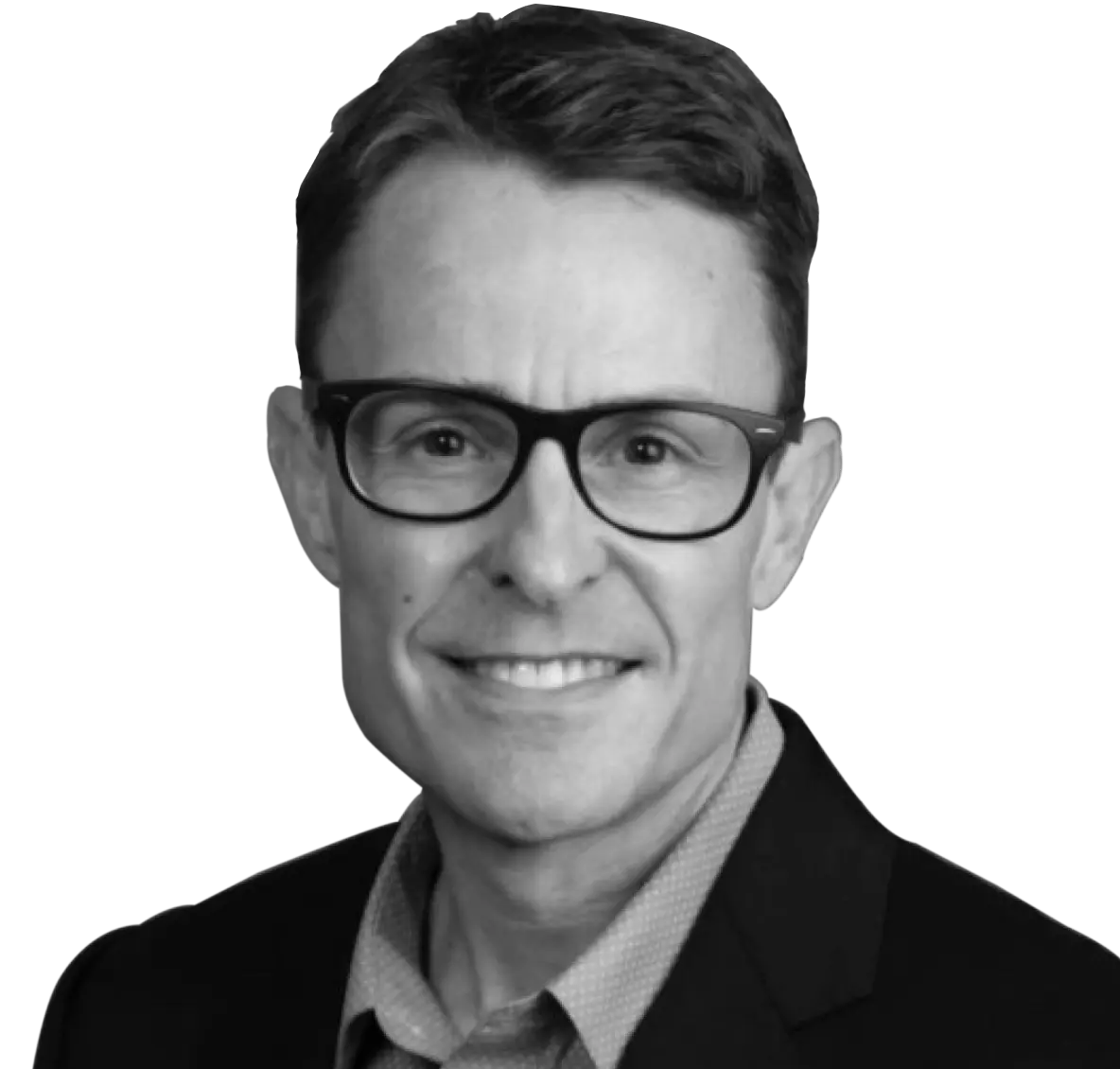
"I've leveraged Shawn and his company in multiple engagements over the last ten years. They have a trusted network of diverse talent and operate with integrity -- highly recommended."

Common questions about a fractional CTO in Pomona
Do you actually work with Pomona-area companies, or is this just a landing page?
What's the difference between a fractional CTO and a consultant?
What size of Pomona / Inland Empire company is this a fit for?
Are you on-site in Pomona, or remote?
What industries do you have experience with in this region?
How does a fractional CTO engagement typically start?
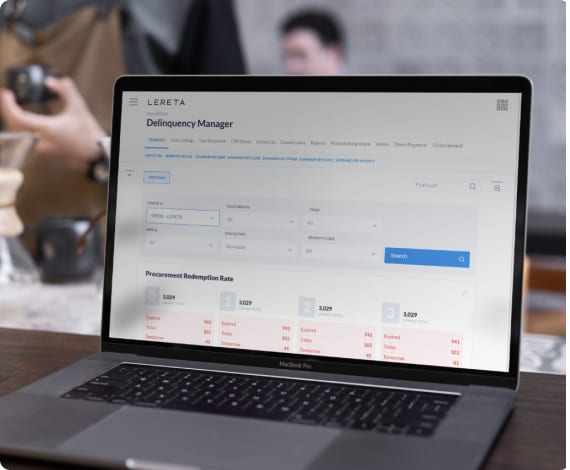
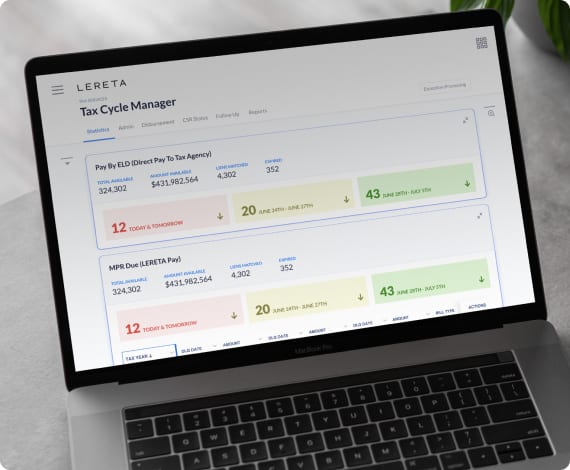
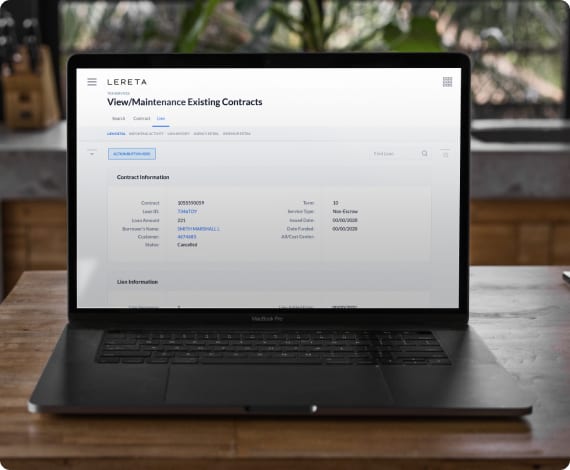
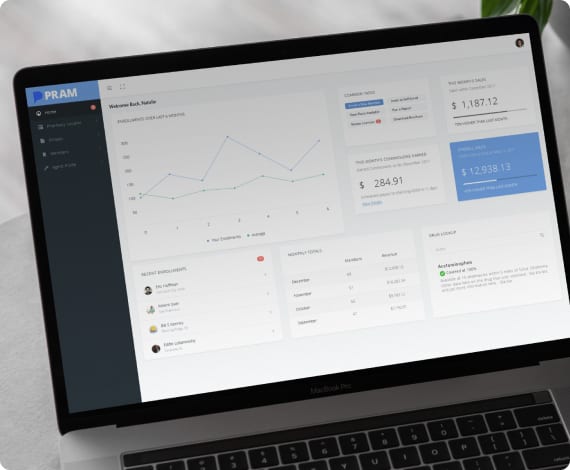
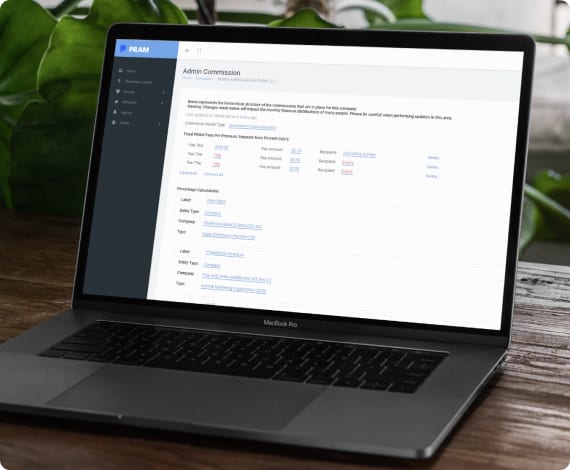
LERETA — Web Application Screenshots
Scroll to view more →
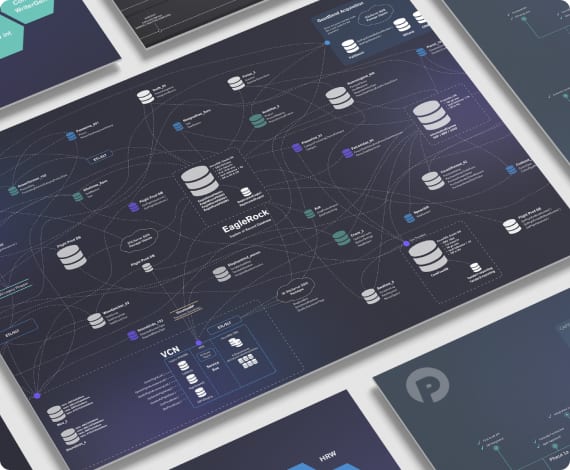
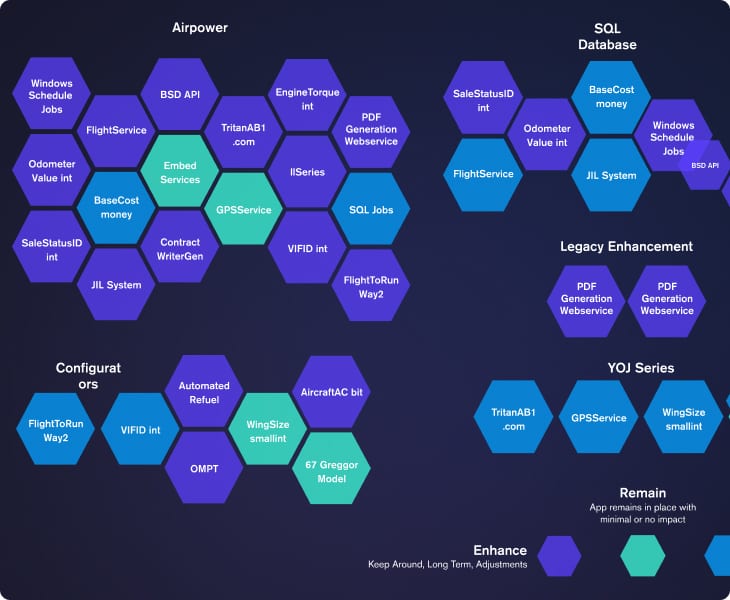
Enterprise Architecture Diagrams
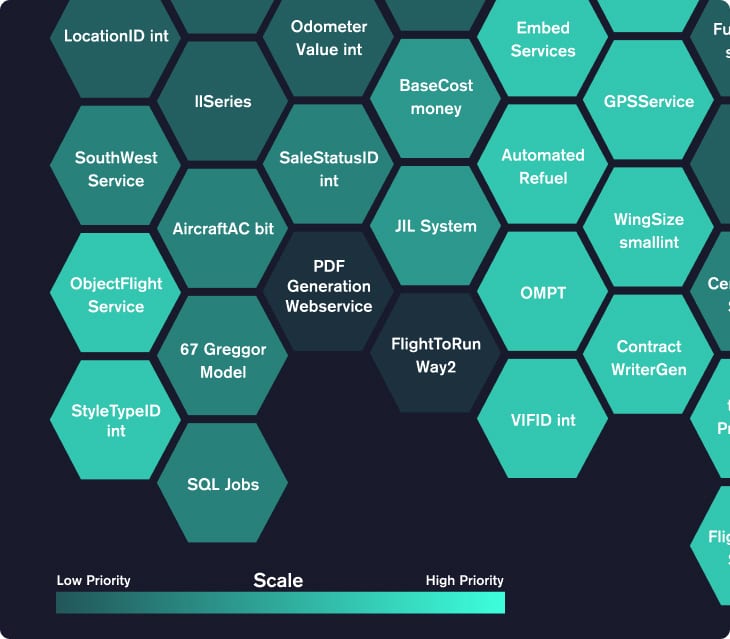
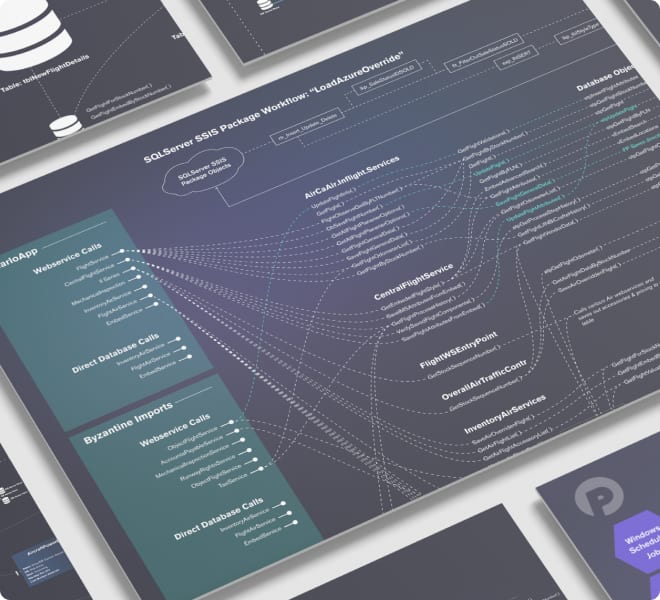
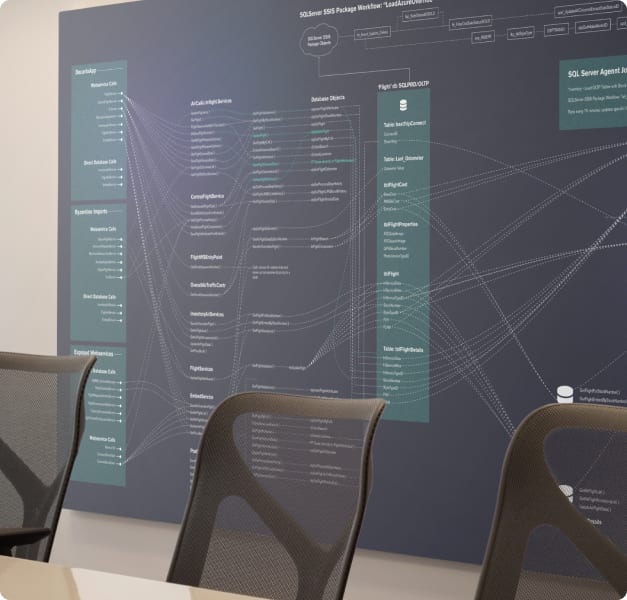

Scroll to view more →
Other Fractional CTO cities in Inland Empire
Local engagement extends across the region. Browse fractional CTO pages for nearby cities:
View all Fractional CTO locations →Ready to bring a fractional CTO into your Pomona team?
Senior-level technology leadership with deep ties to Inland Empire. Book a discovery call to see how a fractional engagement could fit.