Application Topology & Dependency Diagrams
You cannot safely modernize what you cannot see. Application topology work produces the architectural map that every modernization program, platform consolidation, and integration initiative depends on — a complete picture of what exists, what connects to what, and what the dependency structure means for any change you want to make.
The modernization program that stalled because the map was wrong
Most enterprise environments have a significant gap between the architecture diagram that exists in documentation and the architecture that actually runs in production. Systems that were supposed to be decommissioned still have active consumers. Integration points built as temporary workarounds became permanent. The diagram shows 12 applications; the actual environment has 34.
At LERETA, the pre-modernization topology work revealed dependencies that changed the sequencing of the entire $20M program. Systems the business wanted to migrate first had downstream consumers that could not be migrated in the same phase. The sequencing decisions that looked arbitrary from the outside were determined by the dependency map — and getting the map right before committing to a sequence is what allowed the program to maintain operational continuity throughout a four-year rebuild.
Mapping 60+ applications in a public-safety environment
The Los Angeles Fire Department consolidation program required mapping over 60 fragmented legacy applications and their interdependencies before a single one could be consolidated. In a public-safety environment, the stakes of getting the sequence wrong are not just operational disruption — they are response time and mission impact. The topology work determined which applications could be consolidated first, which had dependencies that pushed them to later phases, and where BizTalk could serve as the integration fabric to enable consolidation without requiring simultaneous cutover.
That kind of work — producing a map that is accurate enough to make sequencing decisions against — is the foundation of any consolidation program at this scale. Without it, consolidation is guesswork. With it, it is engineering.
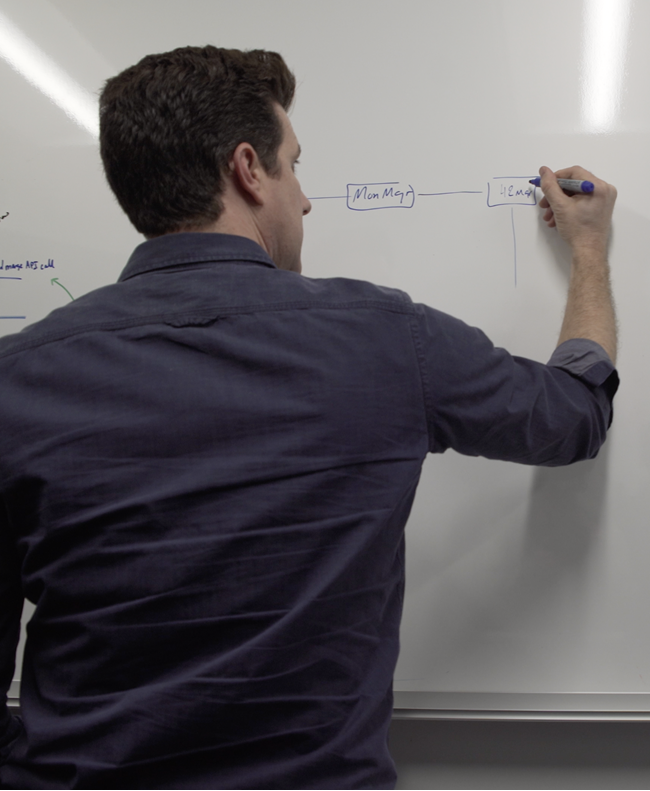
The most dangerous architecture is the one that exists only in the heads of three engineers who've been there for fifteen years. Topology documentation is not a compliance exercise — it is organizational risk management. When those three engineers leave, or when you need to make a change that touches their systems, the map is what protects you.
Six dimensions of application topology & dependency mapping

Application Inventory
A comprehensive catalog of every application in the environment — name, technology stack, version, hosting, business owner, and primary function — as the foundation for all subsequent dependency analysis.

Dependency Mapping
Tracing every integration point between applications — API calls, database sharing, file transfers, message queues, and the implicit dependencies that exist only in tribal knowledge — to produce an accurate picture of what depends on what.

Data Flow Documentation
Mapping how data moves across the application landscape — source systems, transformation points, destinations, latency characteristics, and the data quality issues that become visible only when the full flow is documented.

Architectural Risk Analysis
Identifying the risk concentrations the topology reveals — single points of failure, over-coupled systems, unsupported integrations, and the components whose failure would cascade across the largest number of downstream systems.

Topology Visualization
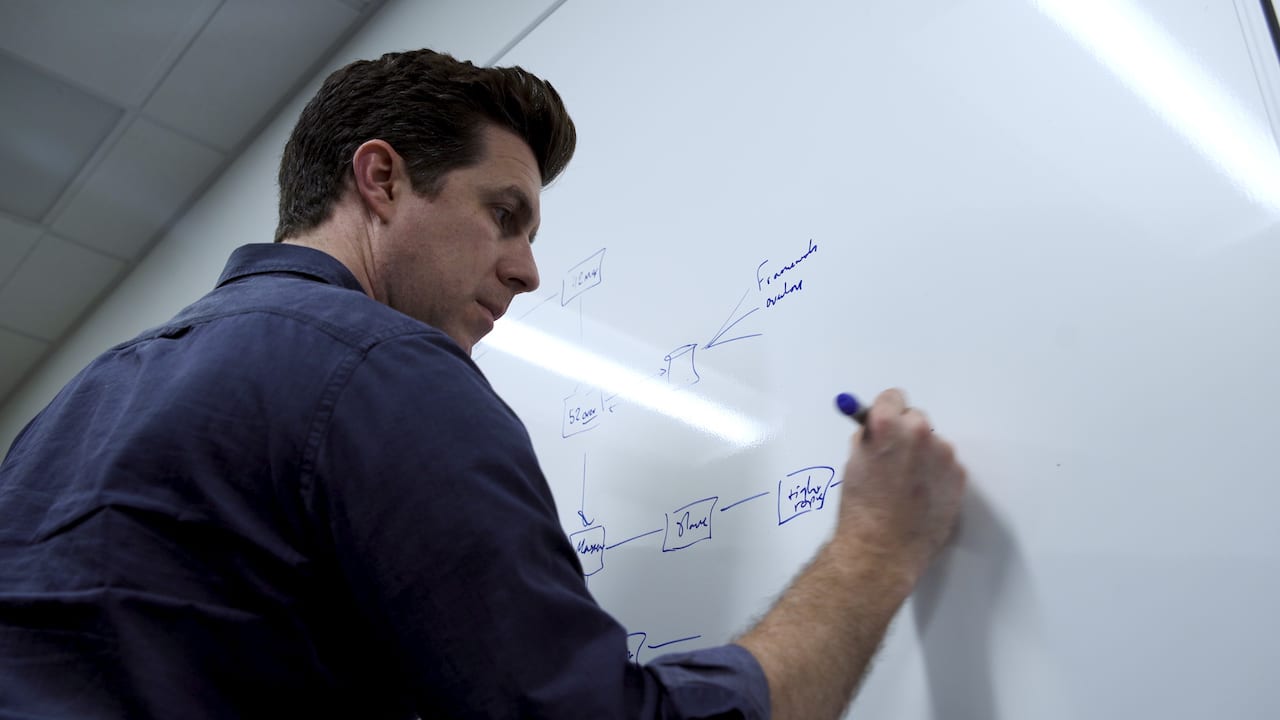
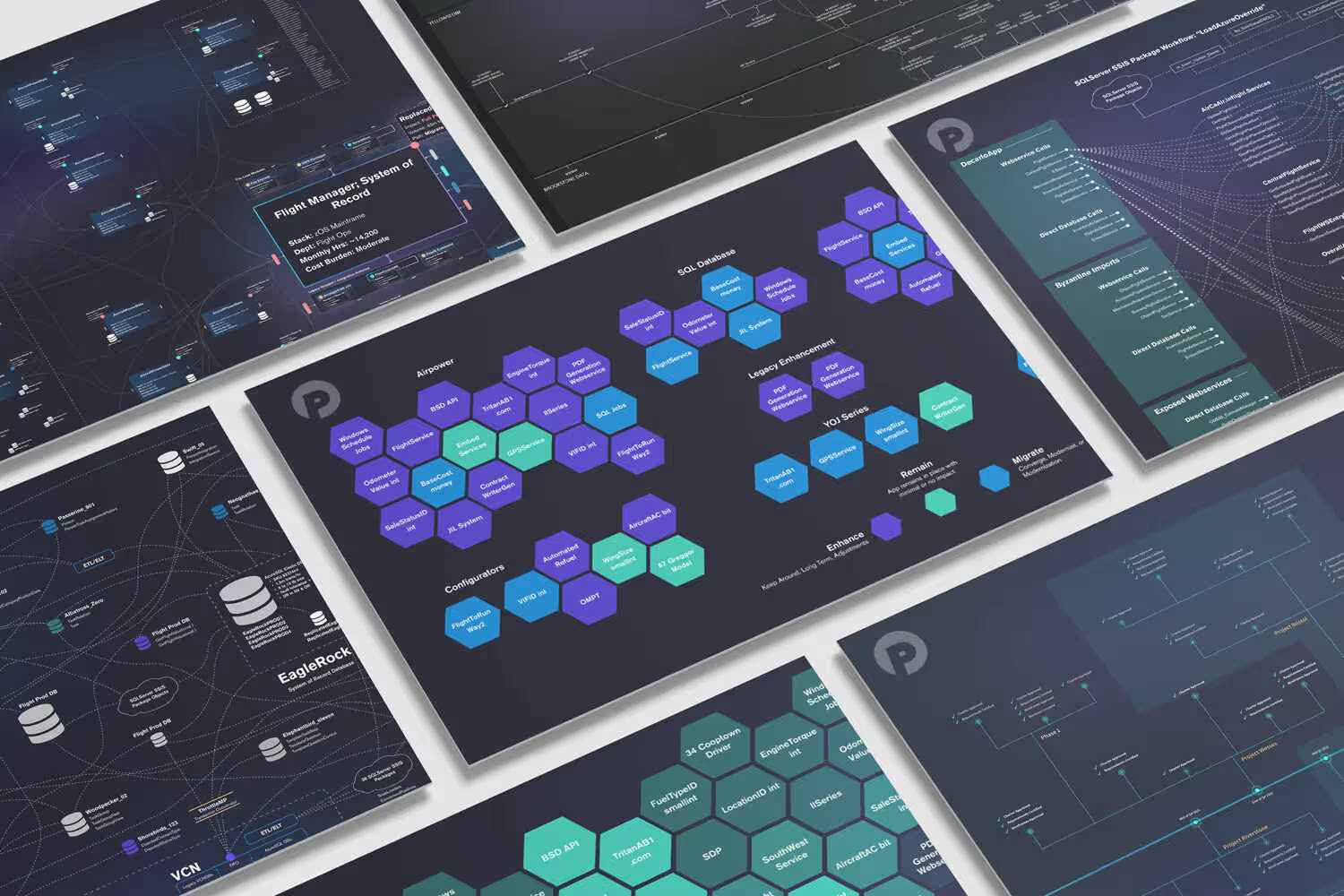
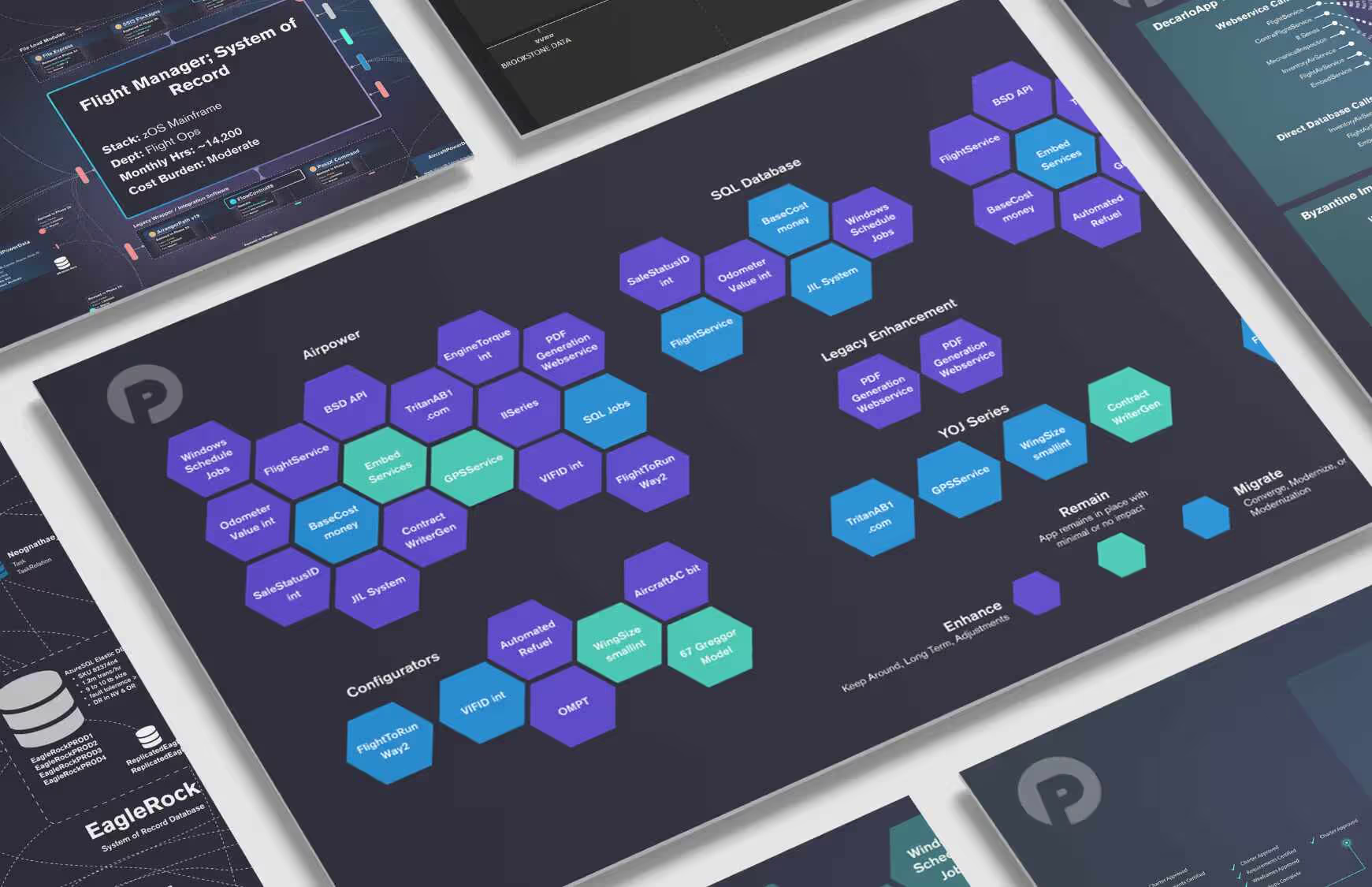
Producing architectural diagrams that are actually useful — wall-sized topology maps, layered views for different audiences (executive, architecture, operations), and living documentation that can be maintained as the environment evolves.

Migration Sequencing
Using the dependency map to generate a migration or modernization sequence — the order in which applications can be moved or replaced that respects the dependency constraints and minimizes operational risk.
Shawn Livermore is outstanding. I have enormous faith in his ability to build on the Microsoft platform.


The architecture map that makes modernization possible
Application topology and dependency documentation — the foundation for every modernization program, platform consolidation, and M&A technical integration. Available fractionally at the depth your program requires.