Application Redevelopment & Refactoring
Most enterprise platforms reach a point where the cost of maintaining the existing codebase exceeds the cost of rebuilding it correctly. That threshold — and the path through it — requires architecture judgment that can only come from doing it before.

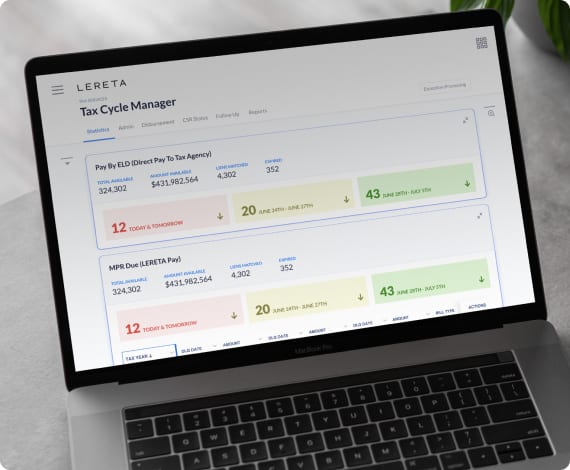
Rebuilding the flagship platform of the second-largest US property tax processor
LERETA processes $18 billion in property tax disbursements annually for major US mortgage servicers. The engagement — a four-year, $20M+ program — involved leading 30+ developers to rebuild flagship products that had accumulated over a decade of deferred architecture decisions onto a platform capable of supporting the company's next phase of growth.
The work required parallel-track development: new platform built alongside the running system, feature parity validated milestone by milestone, and a phased cutover that protected the $18B in tax processing that ran every day through the transition. That kind of disciplined redevelopment — where the business cannot stop for a rebuild — is structurally different from greenfield development and requires a different kind of architecture leadership.
iOS app and full API backend architected from scratch
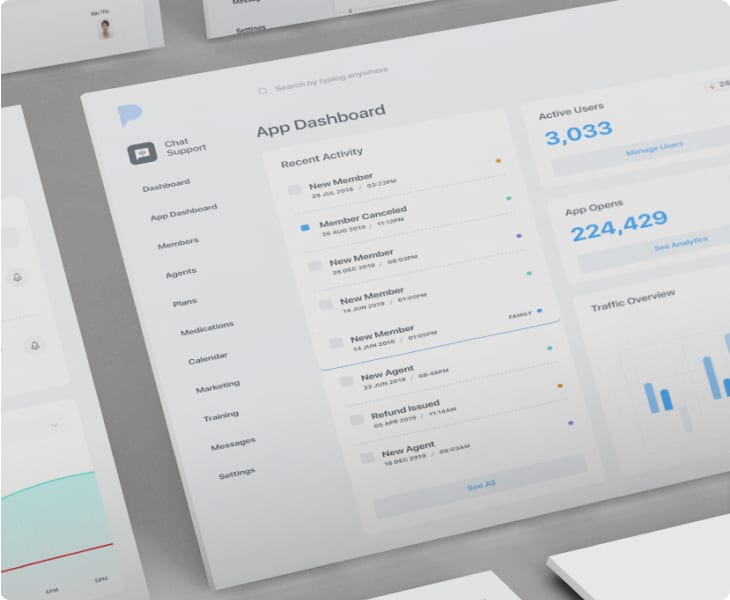
At PRAM — a pharmaceutical benefits platform based in Brea, California — the engagement began at zero: no existing codebase, no architecture, a product concept and a business that needed to build. The work covered iOS application architecture, full backend API design and development, and the pharmacy lookup, dose tracking, and benefits administration functionality that defined the product.
Starting from zero is its own kind of discipline. Every architectural decision made in the first three months shapes what the platform can support at scale. The patterns chosen for the API, the data model design, the mobile-backend contract — these compound. Getting them right early is the difference between a platform the team can build on and one they are always fighting.
Starting from structure, not from scratch
Whether building a new platform or rebuilding a legacy one, the architectural patterns established in the first phase compound across the entire program. CleenUI is a production-proven, full-stack codebase footprint — a structured, enterprise-grade starting point purpose-built for new and redeveloped applications, and optimized for both human developers and AI code agents to build on efficiently. The discipline that became CleenUI was first observed in production at CloudVirga's AngularJS loan-origination platform, where a predefined component framework let new workflows be assembled in days rather than weeks.

The decision to rebuild is almost always made too late. By the time the business is willing to authorize a redevelopment program, the existing platform has already cost far more in maintenance, workarounds, and delayed features than the rebuild would have. The question is never whether to rebuild — it is whether to do it on the organization's timeline or the platform's.
Six dimensions of application redevelopment & refactoring

Platform Assessment
Before a single line is rewritten, a structured review of what exists — architecture quality, coupling, test coverage, data model integrity, and the dependencies that determine what can move and in what order.

Incremental Refactoring
When a full rewrite is not warranted, systematic refactoring — extracting modules, introducing interfaces, eliminating duplication — that reduces debt and improves maintainability without a production freeze.

Full Platform Redevelopment
When the existing codebase cannot be evolved to meet the platform's requirements, a structured redevelopment program with parallel-track operation, feature parity milestones, and a defined cutover plan.

Engineering Team Leadership
Embedded architecture leadership for the development team executing the redevelopment — technical direction, code review, architecture governance, and the sequencing decisions that keep the program on track.

Modern Platform Architecture
Designing the target architecture the redeveloped platform will land on — cloud-native infrastructure, service boundaries, API design, data model, and the scalability patterns the rebuilt platform needs to support.

Testing & Quality Infrastructure
The automated testing and CI/CD infrastructure that makes a modernized platform maintainable — integration tests, regression coverage, and the deployment pipeline that validates each release before it ships.
The intellectual capacity and technical maturity of Shawn Livermore exceeded expectations.


Rebuilt platforms that work for the people using them
Redevelopment is not just about the codebase — it is about delivering a platform that the business can operate and the team can maintain. These are the interfaces built alongside the architectural work.
Platform redevelopment that doesn't stop the business
Architecture leadership for enterprise platform rebuilds — from LERETA ($20M, 30+ developers) to PRAM (iOS app from zero). Available fractionally at the depth your program requires.